

At Looks Studio Hair Transplant, we see patients every day who want effective, non-surgical hair restoration but don’t want guesswork or overpromising. GFC Treatment has become one of the most trusted regenerative solutions we offer, especially for early to moderate hair thinning.
The guide below is designed to help you make an informed decision, understand how GFC truly works, and know what standards to expect from a medical clinic offering this treatment.
Hair loss is becoming increasingly common in 2026, driven by rising stress levels, lifestyle changes, and environmental exposure. As a result, GFC Treatment (Growth Factor Concentrate) has gained attention as an effective non-surgical option for hair regrowth, though choosing the right approach requires a clear understanding of how it works and who it’s best suited for.
This guide is for anyone experiencing early to moderate hair thinning, considering non-invasive hair restoration options, or looking for alternatives to traditional treatments like PRP or hair transplants.
We’ll cover the essential differences between GFC and other hair loss treatments, help you determine if you’re an ideal candidate for this therapy, and provide guidance on selecting the right clinic and medical provider for optimal results.
Understanding GFC Treatment and How It Works
What GFC Treatment Is and Its Key Benefits
Growth Factor Concentrate (GFC) treatment is a cutting-edge, non-surgical procedure that harnesses the body’s natural healing mechanisms to combat hair loss and promote regrowth. This innovative therapy involves extracting growth factors from the patient’s own blood to create a potent concentrate specifically designed for hair rejuvenation. Unlike traditional hair restoration methods, GFC offers a natural approach that revitalises weak hair follicles while nourishing healthy ones, promoting overall scalp health and hair density.
The key benefits of GFC treatment include its minimally invasive nature, reduced infection risk, and enhanced safety profile with minimal side effects. The procedure stimulates cellular activity in the scalp, leading to improved blood circulation and up to 20% faster hair growth rates. Additionally, GFC therapy is cost-effective compared to surgical alternatives, typically requiring 3-4 sessions for optimal results while utilising the body’s natural healing components.
The Scientific Process Behind Growth Factor Concentrate
The scientific foundation of GFC treatment lies in its ability to concentrate specific growth factors that play crucial roles in tissue regeneration and hair follicle stimulation. The process involves extracting approximately 16ml of the patient’s blood, which is then processed through centrifugation for 40-50 minutes to separate growth factors from red and white blood cells. This creates a highly concentrated solution containing vital compounds like VEGF (Vascular Endothelial Growth Factor), PDGF (Platelet-Derived Growth Factor), EGF (Epidermal Growth Factor), and IGF-1 (Insulin-like Growth Factor-1).
These concentrated growth factors work synergistically to promote angiogenesis, stimulate mesenchymal stem cells, and enhance cell proliferation. VEGF improves blood flow and oxygen supply to hair follicles, while PDGF initiates the hair growth cycle, and IGF-1 strengthens hair strands. This targeted delivery system makes GFC more potent than traditional PRP therapy, as it extracts and concentrates key compounds specifically known to promote hair growth.
Step-by-Step Treatment Procedure
The GFC treatment procedure begins with thorough preparation, where patients are advised to avoid blood-thinning medications like aspirin for at least one week before treatment. During the actual procedure, a dermatologist extracts approximately 16ml of blood from the patient, similar to a routine blood draw. This blood sample is immediately processed in a specialised centrifuge machine for 40-50 minutes to separate and concentrate the growth factors.
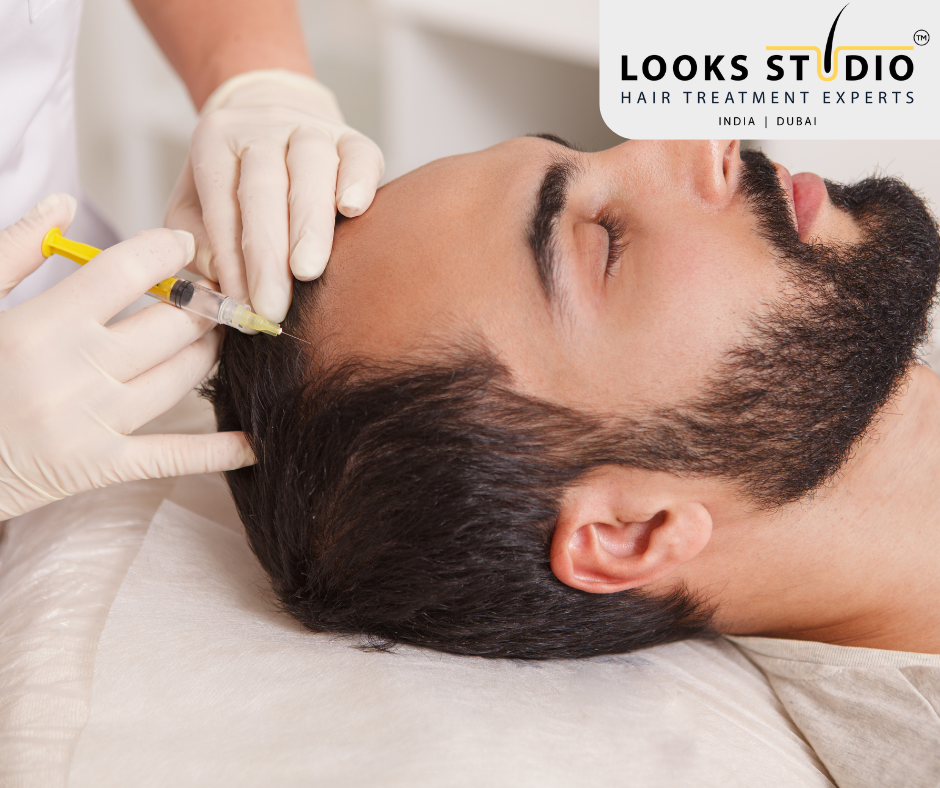
Following centrifugation, the concentrated GFC solution undergoes an activation process to trigger the release of growth factors from platelets, making them ready for therapeutic use. The activated GFC is then strategically injected into specific areas of the scalp where hair growth stimulation is desired, particularly targeting regions of thinning or balding. Post-treatment, patients may experience mild discomfort or swelling at injection sites, which typically resolves within a few days.
How GFC Activates Hair Follicles for Natural Growth
GFC treatment activates hair follicles through a sophisticated biological mechanism that leverages the body’s natural regenerative capabilities. The concentrated growth factors stimulate cellular activity in the scalp, promote repair of damaged hair follicles, and enhance blood flow and oxygen supply to dormant follicles. This process creates an optimal environment for hair follicle nourishment and sustainable growth, moving beyond temporary solutions to address underlying scalp health.
The specific growth factors work at the cellular level to trigger different aspects of hair regeneration. VEGF promotes the formation of new blood vessels around hair follicles, ensuring adequate nutrient delivery, while PDGF stimulates mesenchymal stem cells that contribute to follicle regeneration and maintenance. EGF revitalises newly formed blood vessels, and IGF-1 promotes cell proliferation and survival, resulting in stronger, thicker, and more resilient hair strands that demonstrate long-lasting improvements in hair density and quality.
Comparing GFC with Other Hair Loss Treatments
GFC vs PRP: Key Differences and Advantages
GFC (Growth Factor Concentrate) represents a more advanced and refined version of PRP therapy, offering superior purity of growth factors. While PRP involves injecting whole platelets, GFC isolates only the pure growth factors from your blood, creating a highly concentrated treatment. This refined process delivers specific growth factors, including Epidermal Growth Factor (EGF), Platelet-derived Growth Factor (PDGF), Insulin-like Growth Factor-1 (IGF-1), and Vascular Endothelial Growth Factor (VEGF) directly to your scalp.
GFC typically requires fewer sessions (3-4) compared to PRP (4-6 sessions) due to its higher potency, and involves minimal discomfort during treatment. Studies suggest GFC may achieve greater hair density improvements, with some research showing 37.1 hairs/cm² versus 28.4 hairs/cm² for PRP treatments.
GFC vs Hair Transplant: When to Choose Each Option
Now that we’ve covered the differences between regenerative therapies, it’s important to understand when GFC offers advantages over surgical options. GFC treatment works as a non-surgical, minimally invasive procedure that’s most effective for early to moderate hair loss stages. Hair transplant techniques like Follicular Unit Extraction (FUE) are increasingly being combined with regenerative therapies like GFC to improve transplanted graft survival and enhance overall results.
GFC cannot reverse complete baldness where hair follicles are largely absent, making it ideal for patients with active follicles who want to prevent further loss and improve existing hair density without surgical intervention.
GFC vs Topical Treatments: Effectiveness Comparison
GFC offers targeted delivery of concentrated growth factors directly to hair follicles through injection, while topical treatments rely on surface application. The growth factors in GFC – including VEGF for blood vessel formation, EGF for hair cell growth, PDGF for follicle rejuvenation, and IGF-1 for development acceleration – work at the cellular level to stimulate dormant follicles and strengthen existing hair.
With this targeted approach, GFC provides more direct and concentrated treatment compared to topical medications, which may have limited penetration through the scalp barrier and require consistent daily application for maintenance.
Why GFC Offers Superior Results Over Traditional Methods
Previously, traditional hair loss treatments focused primarily on slowing loss rather than actively promoting regeneration. GFC therapy harnesses specific growth factors that replace damaged follicles with essential proteins, restore hair health, strengthen the hair shaft, and promote regrowth in dormant follicles. This regenerative approach addresses underlying causes rather than just symptoms.
The concentrated nature of GFC, combined with its ability to stimulate blood vessel formation around follicles and enhance nutrient delivery, creates an optimal environment for sustainable hair growth that traditional topical treatments cannot match.
Determining If You’re a Good Candidate for GFC
(At Looks Studio, this evaluation is always done by an experienced doctor during a free consultation.)
Ideal Stages of Hair Loss for GFC Treatment
GFC therapy is suitable for individuals experiencing hair loss, regardless of gender, and those with different hair loss conditions, including both early and late signs of Alopecia. Previously, we’ve established that specialised dermatologists diagnose the specific scalp condition to determine its suitability for Growth Factor Concentrate treatment.
Who Should Consider GFC Therapy
With this in mind, GFC therapy utilises growth factor concentrate derived from a patient’s own blood, primarily platelets, to combat hair loss and enhance facial rejuvenation. The treatment is beneficial for those seeking the best hair loss treatment and skin rejuvenation under the guidance of qualified medical professionals.
Medical Conditions That May Affect Eligibility
The procedure is 100% safe as it is prepared from the patient’s own blood, eliminating the risk of allergic reactions or disease transmission. GFC therapy avoids red blood cells and white blood cells in the preparation, minimising the potential for pain and inflammation.
Age and Gender Considerations for Treatment Success
Now that we have covered the safety profile, it’s important to note that GFC therapy is suitable for both men and women grappling with alopecia in its early stages. The treatment offers renewed hope and confidence through the restoration of their locks, with effectiveness demonstrated across different demographics seeking hair restoration solutions.
Treatment Planning and Session Requirements
Protocols followed at Looks Studio Hair Transplant are strictly doctor-guided.
Number of Sessions Needed for Optimal Results
Most patients achieve significant hair growth improvements with 3 to 4 GFC sessions spaced approximately 45 days apart for optimal results. The concentrated growth factors in GFC are highly potent, meaning fewer sessions are typically required compared to traditional PRP treatments. Some individuals may see substantial benefits with just one session, though the recommended protocol ensures maximum follicle stimulation and sustained hair regrowth.
Spacing Between Treatment Sessions
Treatment sessions should be scheduled with adequate intervals to allow proper healing and follicle response. The standard protocol recommends spacing GFC sessions every 45 days, giving sufficient time for the growth factors to stimulate hair follicles and for new hair growth cycles to begin. This timing ensures optimal absorption of the concentrated growth factors while preventing overstimulation of the treated areas.
Safety Profile and Potential Side Effects
Common Mild Side Effects and Their Duration
GFC treatment demonstrates an excellent safety profile with minimal adverse reactions. Clinical studies involving 80 patients showed no adverse reactions after injection of autologous Growth Factor Concentrate. The most commonly reported side effects include mild redness and inflammation at the injection site, which typically resolve within a week when the procedure is performed by an experienced dermatologist.
Who Should Avoid GFC Treatment
While GFC treatment is generally safe for most individuals, certain medical conditions require careful consideration. Patients diagnosed with chronic or acute infections, sepsis, metabolic disorders, cancer, autoimmune diseases, thyroid conditions, chronic skin disease, or chronic liver infection should avoid this treatment. Additionally, individuals with hematopoietic disorders, bleeding disorders such as platelet dysfunction syndrome, thrombocytopenia, or hypo-fibrinogenemia are not suitable candidates.
Safety Advantages of Using Your Own Blood
The autologous nature of GFC treatment provides significant safety advantages since the growth factors are derived from the patient’s own blood. This approach is non-pyrogenic, meaning it does not produce heat or fever, and eliminates the risk of allergic reactions or immune system rejection. The treatment is free from cells, cell membranes, and exogenous reagents, making it a naturally biocompatible solution.
Minimising Risks Through Proper Medical Supervision
Proper medical supervision by experienced dermatologists is crucial for ensuring treatment safety and effectiveness. The procedure requires precise administration using dedicated tools to prevent platelet loss during injection. Patients must undergo thorough consultation to discuss medical history, allergies, and current medications, while following pre-treatment guidelines such as stopping blood-thinning medications and avoiding alcohol consumption.
Post-Treatment Care and Recovery Guidelines
Immediate Aftercare Instructions
Following GFC treatment, experiencing mild redness, swelling, or tenderness at the injection sites is completely normal. Apply a cold compress to reduce these symptoms and follow your doctor’s specific scalp care instructions carefully. Avoid washing your hair for the first 24 hours post-treatment to allow injection sites to begin healing properly. After this initial period, gently cleanse with mild shampoo as directed by your healthcare provider.
Activities to Avoid Following Treatment
For the first week after GFC treatment, avoid strenuous exercise, heavy physical activity, or anything causing excessive sweating. Stay away from saunas, steam rooms, and swimming pools, as chlorine and extreme heat can irritate the scalp and interfere with healing. Resist scratching or rubbing the treated areas, even if they feel itchy or tender. Avoid hair colouring, chemical treatments, or strong styling products during the initial recovery period.
Supporting Hair Growth Through Proper Nutrition
Maintaining proper hydration is crucial both before and after GFC treatment, supporting the healing process and scalp health. Drink plenty of water daily and focus on a balanced diet rich in protein sources like chicken, fish, and eggs, as hair consists primarily of keratin protein. Include foods containing biotin, zinc, and vitamin D to support optimal hair health. Avoid excessive alcohol consumption and smoking, as these can impair blood circulation and delay the healing process.
Follow-up Appointments and Monitoring Progress
Regular follow-up appointments are essential for monitoring your GFC treatment progress and ensuring optimal results. Schedule your first checkup around one month post-treatment, followed by evaluations at three and six months to assess hair growth and density improvements. During these visits, your doctor will examine your scalp, document progress through standardised photographs, and determine if additional treatments are needed. Take personal progress photos at home using consistent lighting and angles to track gradual improvements that may not be immediately noticeable day-to-day.
Choosing the Right Clinic and Medical Provider
Why patients choose Looks Studio Hair Transplant
Qualifications to Look for in a Hair Specialist
When selecting a clinic for GFC treatment, prioritise dermatologists and hair loss specialists with proven expertise in growth factor concentrate therapy. Look for medical professionals who demonstrate comprehensive knowledge of the GFC procedure, including proper blood extraction, centrifugation techniques, and sterile injection protocols. Experienced practitioners should be able to explain the specific growth factors involved (EGF, VEGF, PDGF, IGF-1) and their roles in hair follicle stimulation.
Technology and Equipment Standards
Previously, we’ve discussed how GFC treatment requires specialised equipment for optimal results. Ensure your chosen clinic utilises professional GFC kits, such as the Wockhardt system, which maintains proper centrifuge speeds and temperatures for growth factor separation. The facility should demonstrate proper handling of the 16mL blood collection process and achieve the standard 6-8mL growth factor concentrate output. Quality equipment ensures the highly purified preparation that makes GFC more effective than traditional treatments.
Sterile Environment and Safety Protocols
With this in mind, next we’ll examine the critical importance of sterile environments for GFC procedures. The reference content emphasises that GFC preparation must occur in completely sterile conditions to prevent platelet loss and contamination. Verify that clinics follow strict sterilisation protocols for all equipment, maintain proper disinfection procedures for scalp preparation, and use sterile syringes throughout the process. These safety measures minimise infection risks and ensure the natural growth factor preparation remains uncompromised.
Track Record and Patient Success Stories
Now that we have covered the technical requirements, evaluate clinics based on their documented success rates with GFC hair treatment. Reputable providers should demonstrate consistent results showing reduced hair fall, strengthened hair follicles, and improved hair density within the typical 3-6 month timeframe. Look for clinics that can provide evidence of successful treatment outcomes across the recommended 3-4 session protocols, particularly for patients with early to intermediate stage alopecia.
Final Thoughts from Looks Studio Hair Transplant
Choosing the right GFC treatment in 2025 requires careful consideration of your individual needs, treatment goals, and selecting a qualified provider. From understanding how Growth Factor Concentrate works to comparing it with alternatives like PRP, evaluating your candidacy, and planning the appropriate number of sessions, each step plays a crucial role in achieving optimal results. The safety profile of GFC treatment is excellent when performed by experienced professionals, with minimal side effects and no downtime required.
The success of your GFC treatment ultimately depends on proper clinic selection and following comprehensive post-treatment care guidelines. Look for certified dermatologists or hair specialists who use advanced closed-system processing, maintain sterile environments, and offer personalised treatment plans based on your specific hair loss pattern. With the right approach and realistic expectations, GFC therapy can provide significant improvements in hair density and thickness, offering a natural solution for early to moderate hair loss without the need for surgical intervention.