

If you’ve typed “does hair transplant cause cancer” or “can hair transplant lead to infection” into Google, you’re not alone. We hear this question almost every single day at Looks Studio. And honestly, it makes sense.
Hair transplant is a medical procedure. It involves needles, anaesthesia, and your scalp. When people hear words like “surgery” or “grafts,” fear kicks in. Then Google adds fuel to the fire. One random forum post, one badly explained YouTube video, or one horror story with zero medical context, and suddenly a safe, well-established procedure feels dangerous.
Another big reason this doubt exists is misinformation. Hair transplants are often compared to major surgeries, which they are not. Others confuse hair transplants with cancer-related treatments, chemotherapy drugs, or steroid misuse. These are completely different things, but online content rarely explains that clearly. The result? Unnecessary panic.
At Looks Studio Hair Transplant, we’ve performed 24,000+ hair transplants over the last 10+ years across India and Dubai. If hair transplants genuinely caused cancer, we would have seen patterns. We would have seen red flags. We haven’t because medically, there is no scientific link between hair transplants and cancer.
A real patient example from our clinic
A 32-year-old IT professional came to our Hyderabad centre convinced that a hair transplant could “trigger cancer cells.” He had delayed treatment for three years because a relative shared a WhatsApp forward claiming anaesthesia causes cancer. During his consultation, our doctor reviewed his medical history, explained the anaesthesia used in hair transplants, and showed published medical evidence. The fear disappeared, not because we promised anything, but because the facts were clear. He went ahead with the procedure and is now more upset about not doing it earlier.
This blog exists for one simple reason: clarity. Not marketing. Not an exaggeration. Just straight medical truth explained in normal language. We’ll break down where the cancer and infection myths come from, what real risks actually exist, and how professional clinics like Looks Studio eliminate those risks through doctor-only procedures, sterile protocols, and long-term follow-up care.
Because when it comes to your health, assumptions can scare you, but facts will set you free.
Understanding What a Hair Transplant Really Is
A lot of fear around hair transplants comes from not fully understanding what the procedure actually involves. When people hear the word “transplant,” they imagine something major or risky. In reality, a modern hair transplant is a controlled, superficial medical procedure focused only on the scalp.
At clinics like Looks Studio Hair Transplant, the procedure is performed using advanced FUE-based techniques, where healthy hair follicles are carefully extracted from the donor area (usually the back of the scalp) and implanted into thinning or bald areas. These follicles come from your own body. Nothing artificial, no chemicals, no external tissue.
Medically speaking, a hair transplant does not involve internal organs, blood circulation systems, or deep tissues. The work happens in the upper layers of the scalp, under local anaesthesia. This anaesthesia is in the same category as that used routinely in dental procedures and minor dermatological treatments. It does not enter your bloodstream in a way that affects the rest of your body, and it has no link to cancer development.
This is why hair transplant is classified as a minimally invasive cosmetic procedure, not a major surgery. At Looks Studio, all procedures are performed entirely by experienced doctors in a sterile OT environment, following strict medical protocols. That’s also why patients are usually able to walk out the same day and resume normal activities within a short time.
Understanding this basic medical reality is important. Once you know what a hair transplant truly is and what it is not, many of the fears around cancer and serious infections start to lose their grip.
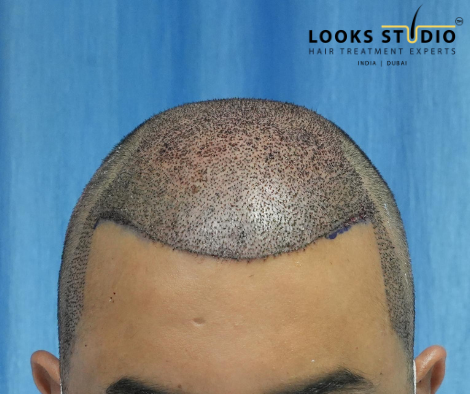
Does Hair Transplant Cause Cancer?
Let’s address this directly, without dancing around it.
No, there is no scientific or medical evidence that hair transplant causes cancer.
Not skin cancer. Not blood cancer. Not any other form.
A hair transplant uses your own hair follicles, placed back into your scalp. There are no cancer-causing agents involved. No radiation. No hormones. No chemicals that alter cells. From a medical standpoint, there is simply no mechanism through which a hair transplant could trigger cancer.
Then why do people believe there’s a connection?
Most of this fear comes from misunderstanding a few things:
- Local anesthesia:
Hair transplants use local anaesthesia similar to what dentists use. It numbs only the scalp area and wears off within hours. It does not change cell behaviour and has no link to cancer. This type of anaesthesia has been used safely for decades across dermatology and minor surgeries. - Surgical instruments:
Some people assume that needles or instruments can “activate” cancer cells. That’s not how cancer works. Cancer develops due to genetic mutations over time, influenced by factors like lifestyle, environment, and genetics—not because of a controlled medical procedure on the scalp. - Internet myths and half-information:
One badly written article or viral post can scare thousands of people. Unfortunately, most online claims are not backed by dermatology research or clinical data.
At Looks Studio Hair Transplant, our doctors evaluate medical history before every procedure. Over 24,000+ hair transplants performed in 10+ years across multiple centers, we have not seen any cancer-related complications linked to hair transplants. This aligns with global dermatology research and medical consensus.
The key difference here is this:
Myths are based on fear and speculation. Medical facts are based on evidence. Hair transplant falls firmly in the second category.
Can a Hair Transplant Cause Infection?
Now let’s talk honestly.
Yes, infection is possible, but it is rare, mild in most cases, and completely treatable when handled properly. This isn’t unique to hair transplants. Any minor medical procedure that involves the skin carries a small infection risk.
Why does this risk exist at all?
A hair transplant involves tiny incisions on the scalp. Anytime skin is opened, even minimally, bacteria can theoretically enter. That’s basic medicine. The real question isn’t whether infection is possible; it’s how well that risk is controlled.
Common reasons infections happen
In cases where infections do occur, they are usually linked to:
- Poor sterilisation standards
- Procedures done by unqualified technicians instead of doctors
- Ignoring post-procedure care instructions
- Excessive touching, scratching, or exposing the scalp too early
At Looks Studio, procedures are performed entirely by trained doctors in sterile OT environments. Single-use instruments, strict hygiene protocols, and detailed aftercare guidance dramatically reduce infection risk. This is also why we offer free follow-up appointments, so any concerns are caught early.
Early signs patients should watch for
Most post-transplant symptoms are normal—mild redness, swelling, or scabbing. But patients should contact their doctor if they notice:
- Persistent pain beyond the initial days
- Increasing redness or warmth
- Pus or unusual discharge
- Fever or discomfort that worsens instead of improving
When identified early, infections are usually resolved with simple medication, without affecting hair growth.
The bottom line is this:
Hair transplant itself is not unsafe. Poor execution and poor aftercare are. When done in a medically supervised environment like Looks Studio, the procedure remains one of the safest cosmetic treatments available today.
How Professional Clinics Prevent Infections
Infection after a hair transplant is not about bad luck. It’s almost always about how and where the procedure is done. This is where the difference between an average clinic and a medical-grade clinic becomes very real.
Sterile OT setup and single-use instruments
A professional hair transplant clinic operates like a minor operation theatre, not a beauty room. At Looks Studio Hair Transplant, procedures are done in a fully sterile OT environment. Instruments that touch the scalp are either single-use or sterilised according to medical protocols.
Why this matters is simple: bacteria thrive when hygiene is compromised. Reusing instruments, improper sterilisation, or casual setups increase infection risk. When strict protocols are followed, that risk drops dramatically.
This is one of the main reasons infections are rare in properly run clinics.
Trained doctors vs technicians
This point is critical and often ignored.
Hair transplant is a medical procedure, not a cosmetic service. When untrained technicians perform graft extraction or implantation, small mistakes can happen—uneven depth, excessive trauma to the scalp, or poor handling of follicles. These mistakes don’t just affect results; they increase the chance of infection.
At Looks Studio, the entire procedure is performed by experienced doctors, not delegated to technicians. Doctors understand skin layers, blood supply, healing patterns, and how to respond immediately if something doesn’t look right. That medical judgment is what keeps complications low.
Pre-procedure screening and post-procedure care
Preventing infection starts before the transplant, not after it.
Before any procedure at Looks Studio, doctors review:
- Medical history
- Existing health conditions like diabetes or skin disorders
- Scalp health and hygiene
This screening helps identify patients who need extra precautions.
After the procedure, patients are given clear aftercare instructions—how to wash the scalp, what to avoid, and which medications to take. Most post-transplant infections happen not in clinics, but at home, when aftercare is ignored or misunderstood. Clear guidance prevents that.
Why follow-up appointments matter
Follow-ups aren’t a formality. They’re a safety net.
Looks Studio offers free follow-up appointments, which allow doctors to monitor healing, address concerns early, and reassure patients when normal healing symptoms are mistaken for problems. Early detection means even minor issues are handled before they turn serious.
This long-term involvement is also why Looks Studio confidently offers a 25-year written warranty on transplanted hair. You can’t offer that unless you stand by your medical process.
Does the Technique Matter?
Short answer: yes, absolutely.
Not all hair transplants are equal. The technique used—and who performs it—has a direct impact on safety, healing, and infection risk.
Why advanced FUE and doctor-performed procedures reduce risk
Modern FUE-based techniques, like those used at Looks Studio, involve precise, controlled extraction and implantation of follicles. The incisions are tiny, healing is faster, and trauma to the scalp is minimal.
When doctors perform the procedure, they control:
- Depth of implantation
- Angle and direction of grafts
- Bleeding management
- Tissue handling
All of this reduces unnecessary injury to the scalp, which in turn lowers the chance of infection and inflammation.
How outdated or poorly performed methods increase complications
Older techniques or poorly executed procedures often involve larger incisions, rough handling of grafts, or rushed implantation. These increase scalp trauma, delay healing, and create conditions where infection is more likely.
Similarly, clinics that focus on speed or volume rather than medical precision often cut corners. That’s where problems begin—not because hair transplant is unsafe, but because it’s done carelessly.
Importance of choosing a clinic that follows medical protocols
This is the real takeaway.
Hair transplant is safe when medical protocols are respected. That means:
- Doctor-led procedures
- Sterile environments
- Modern techniques
- Honest consultations
- Structured follow-up care
Looks Studio has completed 24,000+ successful hair transplants over 9+ years, across multiple locations, with a 4.8/5 rating from 9,000+ online reviews. These numbers aren’t marketing claims—they reflect consistency, safety, and trust built over time.
In the end, the technique and the clinic matter just as much as the decision to get a hair transplant itself.
Post-Transplant Care: Your Role in Preventing Infection
A successful hair transplant doesn’t end when the procedure is over. Healing depends just as much on what happens after you leave the clinic. The good news is that post-transplant care is simple, as long as it’s taken seriously.
Simple aftercare steps patients must follow
At Looks Studio, every patient receives clear, written aftercare instructions from the doctor. These usually include:
- Keeping the scalp clean and dry for the initial period is advised
- Using only prescribed medications and sprays
- Sleeping in a slightly elevated position to reduce swelling
- Washing the scalp gently, exactly as demonstrated by the medical team
These steps aren’t complicated, but they are crucial. They allow the scalp to heal naturally and protect the newly implanted follicles.
What to avoid in the first few days
Most early issues happen because patients do things they were clearly told not to do. In the first few days after a hair transplant, patients should avoid:
- Touching, scratching, or picking scabs
- Heavy exercise or sweating
- Smoking or alcohol
- Exposure to dust, pollution, or direct sunlight
These activities increase irritation and slow healing. Avoiding them for a short period dramatically reduces infection risk.
Why ignoring aftercare causes most preventable issues
In our experience at Looks Studio, almost all preventable complications are linked to poor aftercare, not the procedure itself. Skipping medications, rubbing the scalp, or resuming normal routines too early can disturb healing skin and allow bacteria to enter.
That’s why we emphasise follow-ups and open communication. When patients follow instructions, infections remain rare and minor.
Who Should Be Extra Cautious Before a Hair Transplant?
Hair transplant is safe for most people, but certain patients need extra attention and medical planning before proceeding.
Patients with diabetes, immunity issues, or skin conditions
Conditions like uncontrolled diabetes, autoimmune disorders, or active scalp infections don’t automatically disqualify someone from a hair transplant. However, they do require special precautions.
At Looks Studio, doctors evaluate:
- Blood sugar control
- Skin health of the scalp
- Healing capacity
In many cases, treatment is postponed or adjusted until it’s medically safe.
Importance of honest medical disclosure
Hiding medical history only increases risk. Information about medications, lifestyle habits, or existing health conditions helps doctors plan a safer procedure.
Patients sometimes worry that being honest will delay treatment. In reality, it protects them from complications and improves results.
Why a proper consultation is critical
This is where professional consultation matters most. Looks Studio offers free, doctor-led consultations, where scalp condition, hair loss pattern, and overall health are assessed. This step ensures the procedure is tailored, not rushed.
A consultation isn’t about selling a transplant. It’s about deciding if and when it’s the right move.
Frequently Asked Questions
Can anaesthesia used in hair transplant cause cancer?
No. The local anesthesia used in hair transplant has no connection to cancer. It has been safely used in dermatology and dental procedures for decades without evidence of cancer risk.
Is pus or redness normal after a hair transplant?
Mild redness and swelling are normal during healing. Pus is not normal and should be reported immediately. When addressed early, it’s easily treatable.
Are infections permanent or treatable?
Post-transplant infections are usually mild and temporary. With proper medication and follow-up care, they resolve without long-term effects.
Can infection affect transplanted hair growth?
If an infection is ignored or left untreated, it can affect healing and graft survival. When treated promptly, hair growth is typically not impacted.
Final Verdict: Is Hair Transplant Safe?
When done correctly, a hair transplant is a safe and well-established medical procedure.
There is no evidence linking hair transplants to cancer. Infection risk exists, but it is low and manageable when proper medical protocols are followed.
What truly determines safety is:
- The clinic you choose
- The technique used
- The experience of the doctor
- Your commitment to aftercare
The real risk isn’t the procedure itself. It’s choosing a clinic that cuts corners.
At Looks Studio Hair Transplant, with 24,000+ successful procedures, doctor-only surgeries, sterile environments, free follow-ups, and a 25-year written warranty, safety isn’t a claim, it’s a system.
Why Consultation Matters Before Believing Online Myths
Online information can be misleading, especially when it comes to medical procedures. Every scalp is different. Every patient has a unique medical history.
Importance of doctor-led evaluation
Only a qualified doctor can assess whether a hair transplant is suitable for you, what technique is safest, and how to minimise risks based on your health profile.
How a free consultation helps clear fear and confusion
A proper consultation replaces assumptions with facts. At Looks Studio, free consultations allow patients to ask real questions, understand real risks, and get honest answers—without pressure.
A gentle next step
If you’re considering a hair transplant but feel held back by fear or confusion, the best next step isn’t Google. It’s a conversation with a qualified hair transplant doctor.
A clear discussion today can save you years of doubt tomorrow.