

Do you need a long weekend for a hair transplant? This is one of the most common questions people ask before booking a procedure, especially working professionals. Many assume a hair transplant means taking several days off, avoiding social interactions, and planning everything around holidays.
At Looks Studio Hair Transplant, we hear this concern almost daily. And in most cases, the assumption is based on outdated information.
With modern techniques like Bio-Integrated FUE, hair transplants today are minimally invasive, doctor-performed, and designed to fit into real-life schedules. Over the last 10+ years, we’ve completed 24,000+ successful hair transplants, helping people restore their hair without putting their work or routine on hold.
The truth is, waiting for a long weekend isn’t always necessary. What matters more is understanding the actual recovery timeline, your graft requirement, and how the procedure is planned.
Let’s break it down, starting with why so many people still feel the need to wait.
Why Most People Wait for a Long Weekend
Most people wait for a long weekend, not because they’re unsure about getting a hair transplant, but because they’re unsure about what happens after it.
The hesitation usually comes from a mix of assumptions, old information, and workplace pressure.
At Looks Studio Hair Transplant, this is what we hear again and again during consultations across India:
- “I don’t want to take too many leaves.”
- “What if my colleagues notice?”
- “I have meetings. Travel. Office deadlines.”
- “I’ve heard there’s swelling and downtime.”
- “I’ll do it when I get a proper break.”
These concerns are real. But most of them are based on how hair transplants used to be, not how they’re done today.
Earlier methods involved stitches, visible bandages, and longer recovery periods. People genuinely needed extended leave. That mental image has stuck, even though techniques have changed completely.
Today, advanced procedures like Bio-Integrated FUE are minimally invasive and stitch-free. The procedure is completed in a single day, and recovery is far more predictable when it’s planned correctly. At Looks Studio, every procedure is performed only by certified doctors, not technicians, which plays a big role in reducing unnecessary trauma and speeding up recovery.
Another big reason people wait is visibility. No one wants uncomfortable questions or attention at work. What many don’t realize is that with proper graft planning, aftercare guidance, and simple precautions like caps or brief work-from-home arrangements, most clients manage this easily.
There’s also the idea that “more leave equals better results.”
That’s not true.
Hair growth depends on the quality of the procedure, graft survival, and aftercare, not on how many holidays you take. In fact, delaying a hair transplant often means delaying visible results by months, sometimes years.
We’ve treated 24,000+ clients over the last 10+ years, many of whom booked their procedure without waiting for festivals, long weekends, or extended breaks. Some took a day off. Some took two. Many planned smartly around their routine instead of pausing their life.
So when people wait for a long weekend, it’s usually not because they need it.
It’s because no one explained the process clearly enough.
And that’s exactly why understanding the real recovery timeline matters.
How Hair Transplant Procedures Work Today
To understand whether you need a long weekend, you first need to understand how hair transplant procedures actually work today.
Modern hair transplants are nothing like the old strip surgeries people still imagine.
Today, clinics like Looks Studio Hair Transplant use advanced FUE-based techniques, including Bio-Integrated FUE, which focus on precision, safety, and faster recovery.
Here’s how it works in simple terms.
Hair follicles are individually extracted from the donor area, usually the back or sides of the scalp, where hair is genetically resistant to hair loss. These follicles are then carefully implanted into thinning or balding areas using refined implantation methods that protect graft health and improve natural growth.
Because there are no stitches and no large incisions, the trauma to the scalp is minimal. This is the biggest reason recovery today is much easier compared to older methods.
The entire procedure is completed in one day. You walk in, undergo the transplant, and walk out the same day. There’s no hospital admission, no overnight stay, and no extended bed rest required. Most clients are comfortably discharged a few hours after the procedure with clear aftercare instructions.
At Looks Studio, all procedures are performed only by certified and experienced doctors, not technicians. This doctor-led approach ensures accurate graft placement, better survival rates, and fewer post-procedure issues, which directly impacts how quickly you can return to your routine.
What this really means is simple:
A modern FUE hair transplant is planned as a day procedure, not a medical event that disrupts your life.
Downtime is minimal. Discomfort is manageable. And for most people, normal activities can resume far sooner than they expect.
This shift in technique is the main reason waiting for a long weekend is no longer a necessity for many patients.
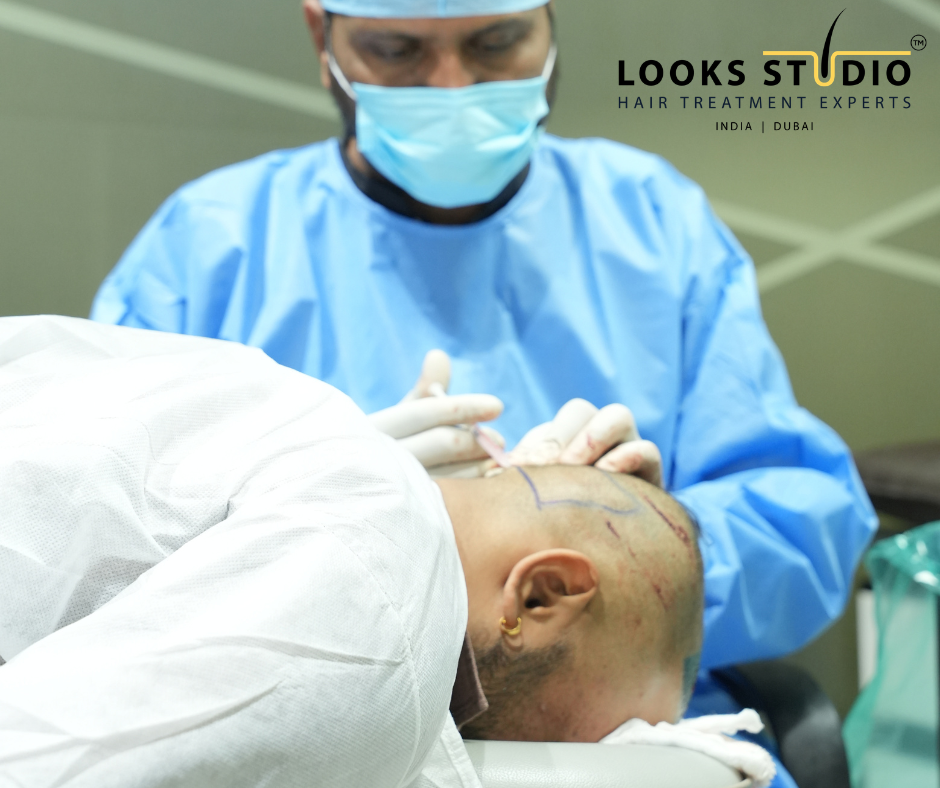
The Real Recovery Timeline (Day by Day)
This is the part that quietly breaks the long-weekend myth.
Most people imagine recovery as something unpredictable and messy. In reality, when a hair transplant is planned properly using modern FUE techniques, the recovery follows a fairly clear pattern.
At Looks Studio Hair Transplant, this is the recovery timeline we explain during consultations, based on thousands of real cases.
Day 0: Procedure Day
The hair transplant is completed in a single day. The procedure is done under local anaesthesia, so you’re awake and comfortable. Once it’s finished, you’re discharged the same day with aftercare instructions. Most people go home, rest, and that’s it for the day.
Day 1–2: Mild Swelling, Rest Recommended
This is the phase people worry about the most, but for most clients, swelling is mild and temporary. Some may experience slight tightness or puffiness on the forehead. Rest is advised, and strenuous activity should be avoided, but this doesn’t mean complete bed rest. Normal movement at home is fine.
Day 3–4: You Can Step Out
By this stage, swelling usually settles. Redness reduces significantly, and the scalp starts looking much more normal. Many clients feel comfortable stepping out, attending meetings, or even going to the office with simple precautions like wearing a cap if needed.
Day 5–7: Back to Normal Routine
Most people are fully back to their regular routine. Desk work, commuting, social activities, and normal daily life continue without issues. The transplanted area is stable, and there’s no restriction on basic activities.
This timeline is why many people realise, in hindsight, that they didn’t need to wait months for a long weekend.
Do You Actually Need 3–4 Days Off?
Here’s the honest answer: not always.
How much time you need off depends more on your job type than the procedure itself.
If you have a desk job, remote work, or a non-physical role, many people manage with just 1–2 days off. Some take the procedure on a Friday and are back to work by Monday. Others work from home for a day or two.
If your work involves physical activity, long hours outdoors, heavy lifting, or exposure to dust and heat, taking a few extra days off makes sense. Not because of pain, but to protect grafts and allow comfortable healing.
At Looks Studio, this is planned in advance. During the free consultation, doctors assess not just hair loss and graft requirements but also your lifestyle and work routine. This personalized planning is one reason we confidently offer a 25-year written warranty on our hair transplant results.
The idea that everyone needs 3–4 days of leave is a generalisation. For many people, smart scheduling matters more than long breaks.
What really matters is:
- A well-performed procedure by certified doctors
- Proper aftercare guidance
- Realistic planning around your routine
When those are in place, your calendar doesn’t need to control your hair restoration decision.
What Happens If You Don’t Take Long Leave?
This is the fear that stops most people.
“What if people notice?”
“What if I look odd on calls?”
“What if I’m not ready to face work?”
The reality is far more manageable than most expect.
After the first couple of days, many clients comfortably go about their routine with small, practical adjustments. Wearing a loose cap outdoors is usually allowed and often enough to avoid attention. For those in corporate roles, virtual meetings make the transition even easier.
Many clients also choose to work from home for a day or two, not because they can’t work, but because it gives them comfort and flexibility while the scalp settles.
At Looks Studio Hair Transplant, this is discussed during the free consultation itself. Doctors explain exactly what will be visible, when it settles, and how to plan around meetings or work commitments. Because procedures are performed only by certified doctors, recovery tends to be smoother and more predictable.
Not taking a long leave doesn’t mean rushing recovery. It means understanding what’s actually needed and planning smartly instead of assuming the worst.
Best Time to Plan a Hair Transplant (Hint: Not Holidays)
One of the biggest mistakes people make is tying their hair transplant decision to a festival, long weekend, or extended holiday.
The problem with waiting is simple:
Hair growth follows a timeline. Calendars don’t change that.
After a hair transplant, new hair takes time to grow. Visible improvement usually starts around a few months, with more noticeable density over time. When people keep postponing the procedure, waiting for the “perfect break,” they also push their results further away.
At Looks Studio, with 10+ years of experience and 24,000+ successful hair transplants, we’ve seen this pattern clearly. Clients who plan based on their routine and proceed earlier often reach their result milestones much sooner than those who keep waiting for holidays.
The right time for a hair transplant is when:
- Hair loss is progressing
- The donor area is healthy
- You can plan 1–2 manageable recovery days
Not when the calendar finally looks empty.
When a Long Weekend Does Make Sense
To be clear, there are situations where a long weekend can be helpful.
If you’re traveling from another city, taking a bit of extra time makes sense.
If you’re undergoing a large graft session, additional rest can add comfort.
If you simply want more mental ease and privacy, that’s valid too.
At Looks Studio, these factors are discussed openly. The goal isn’t to rush anyone or push a fixed timeline. It’s to plan the procedure around what works best for you.
With flexible scheduling, 0% EMI options, and transparent planning during the free consultation, clients can choose timing without pressure or compromise.
A long weekend can be useful.
It just isn’t mandatory.
Final Take: Don’t Let Your Calendar Decide Your Hair
So, do you really need a long weekend for a hair transplant?
For most people, the answer is no.
Modern FUE techniques like Bio-Integrated FUE, doctor-led procedures, predictable recovery timelines, and practical planning have changed the entire experience. You don’t need to pause your life or wait endlessly for the “right time.”
What you do need is the right guidance.
At Looks Studio Hair Transplant, every procedure starts with a free consultation, is performed by certified doctors, and comes with a 25-year written warranty. The focus is on fitting the solution into your life, not asking you to rearrange everything for it.
Hair loss doesn’t wait for holidays.
And neither should your decision to address it.
If you’re unsure about timing, the best next step isn’t waiting.
It’s getting clarity.