

Hair transplant vs wig is one of the most common comparisons people make when dealing with hair loss. At Looks Studio Hair Transplant, patients often come to us after trying temporary solutions and realising they want something more permanent. At first, a wig can feel like the easiest option. It covers thinning areas instantly and avoids medical procedures. But as time passes, many people begin to question whether hiding hair loss is better than actually fixing it.
When comparing a hair transplant vs wig, the real difference comes down to permanence, comfort, cost over time, and confidence.
Hair loss affects more than appearance. It influences confidence, comfort, and how freely you move through daily life. With over 25,000+ successful hair transplants, Looks Studio has seen firsthand how deeply hair loss impacts everyday confidence. When you compare a wig with a modern hair transplant, the difference becomes clear. One is a temporary cover that needs constant adjustment. The other restores your own hair and grows with you over time.
With today’s advancements in hair restoration and the availability of both surgical and non-surgical options like PRP, GFC, and exosome therapy at Looks Studio, hair loss solutions are no longer one-dimensional. The focus has shifted from short-term concealment to long-term results guided by medical expertise. This blog breaks down hair transplant vs wig to help you understand which option truly fits your lifestyle, expectations, and long-term goals.
Understanding Wigs
Wigs are designed to cover hair loss, not treat it. They sit on top of the scalp and create the appearance of fuller hair without addressing why hair loss happened in the first place. Many patients who visit Looks Studio share that while wigs helped initially, they didn’t offer peace of mind or permanence. For some people, this visual change can feel reassuring at the start, especially when hair thinning or bald patches become noticeable.
There are different types of wigs people commonly choose. Synthetic wigs are more affordable and come pre-styled, but they tend to look less natural over time and have a shorter lifespan. Human hair wigs offer a more realistic look and allow styling, but they are significantly more expensive and require careful maintenance to retain their appearance. Lace front and full lace wigs are also popular because they create a natural-looking hairline, though they demand precise fitting and regular upkeep.
Wigs often seem like an easy fix initially because the results are immediate. There’s no medical procedure, no recovery time, and no waiting period for hair to grow. For someone newly experiencing hair loss, that instant coverage can feel like control has been restored. However, this convenience is largely surface-level. Over time, the daily effort, limitations, and dependency on a wig become more noticeable, especially when compared to long-term hair restoration solutions offered at medically supervised clinics like Looks Studio.
Limitations of Wearing a Wig Long Term
While wigs can offer quick visual coverage, wearing one long-term comes with challenges that often get overlooked at the beginning. What feels manageable in the first few weeks can slowly turn into a daily burden.
Daily maintenance and discomfort
Wigs require regular cleaning, styling, and careful handling to maintain their appearance. Many users experience scalp irritation, sweating, itching, or a constant sense of tightness, especially in warmer climates like India. At Looks Studio, patients often mention how uncomfortable wigs become during long workdays or social events.
Fear of slipping, shifting, or being noticed
One of the most common concerns with wigs is the constant awareness of them. Whether it’s a sudden gust of wind, bending forward, or physical movement, there’s often an underlying fear of the wig shifting out of place or looking unnatural. This self-consciousness can affect confidence, even in everyday situations.
Lifestyle restrictions
Activities that involve sweat, water, or heat can become stressful. Workouts, swimming, outdoor travel, and even certain weather conditions require extra caution. Many people avoid activities they enjoy simply to prevent damage or embarrassment, which slowly limits freedom and spontaneity.
Ongoing replacement and hidden costs
Quality wigs don’t last forever. Over time, they lose shape, texture, and realism, requiring replacement. Along with the cost of adhesives, maintenance products, professional fittings, and periodic upgrades, the long-term expense can add up significantly, often exceeding what people initially expect.
For many patients at Looks Studio, these limitations are what lead them to explore permanent hair restoration options rather than continuing with a temporary cover.
What a Hair Transplant Really Is
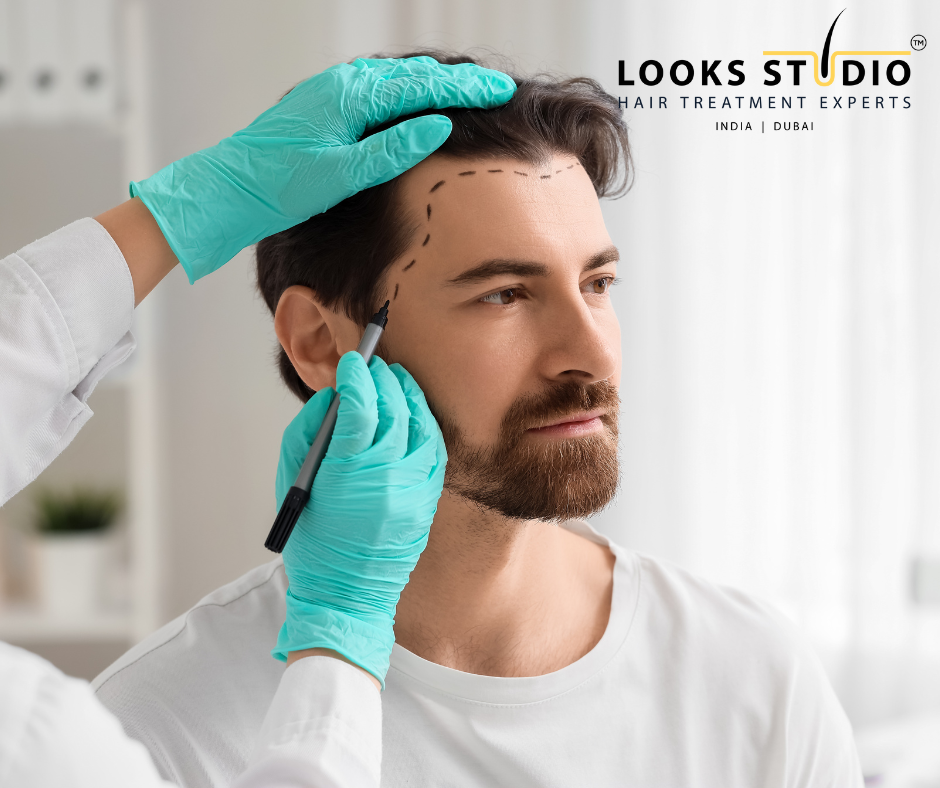
A modern hair transplant at Looks Studio is a medical procedure that moves your own healthy hair follicles from areas where hair is dense to areas where hair has thinned or stopped growing. Advanced techniques like FUE and Bio-Integrated FUE are minimally invasive and performed under local anaesthesia by experienced doctors, making the process far more comfortable than most people expect.
Because the transplanted hair comes from your own scalp, it grows naturally once it settles. You can wash it, cut it, style it, and treat it like the rest of your hair. There’s no artificial attachment or external covering involved. Unlike temporary solutions, a hair transplant is typically a one-time procedure with long-term results. With a 25-year written warranty on hair transplant results, Looks Studio focuses on permanent restoration rather than recurring fixes. Once the transplanted follicles start growing, the hair stays for years, often for life.
Hair Transplant vs Wig: Key Differences You Should Know Before Choosing
| Factor | Hair Transplant | Wig |
|---|---|---|
| Nature | Permanent solution | Temporary cover |
| Appearance | Grows naturally from the scalp | External attachment |
| Maintenance | Normal hair care | Regular cleaning & refitting |
| Comfort | No daily adjustment | Can cause irritation |
| Cost Over Time | One-time investment | Repeated replacement cost |
| Lifestyle | Swim, sweat, travel freely | Activity restrictions |
Natural appearance
A hair transplant grows from your own scalp, which means the look and movement of the hair are natural. At Looks Studio, careful hairline design ensures seamless blending. Wigs, even high-quality ones, can still look artificial over time or under close observation.
Comfort and confidence
With a transplant, there’s nothing to wear or adjust. Once healing is complete, the hair feels like it’s always been there. Wigs, on the other hand, can create constant awareness, leading to self-consciousness in social or professional settings.
Maintenance requirements
Transplanted hair requires routine care similar to natural hair. Wigs demand regular cleaning, styling, storage, and sometimes professional maintenance, adding to daily effort and time.
Durability and lifespan
A hair transplant offers long-lasting results because the follicles are permanent. Wigs have a limited lifespan and need replacement as they lose quality, shape, or realism.
Cost comparison over time
While a hair transplant may seem like a higher upfront investment, many Looks Studio patients find it more cost-effective long term. The repeated costs of purchasing, maintaining, and replacing wigs often exceed the one-time investment in a transplant.
Know your hair transplant cost
Together, these differences explain why many people shift from temporary solutions to permanent hair restoration once they understand the long-term picture.
Confidence and Psychological Impact
For many people, wearing a wig can feel less like a solution and more like hiding hair loss. Even when a wig looks good, there’s often a constant awareness that it isn’t real hair. This can create anxiety about being exposed or judged. At Looks Studio, patients frequently share how this mental burden affected their self-esteem.
Permanent hair restoration changes that relationship with the mirror. When hair grows from your own scalp, it no longer feels like something you’re covering up. It becomes part of you again. This shift often improves self-image because the worry around hair loss is removed.
With that comes social confidence and everyday freedom. People feel more comfortable in conversations, photographs, meetings, and social settings because they’re no longer managing or thinking about their hair.
Lifestyle Freedom After a Hair Transplant
One of the biggest advantages of a hair transplant is how little it demands once healing is complete. There’s no daily fixing, adjusting, or planning around your hair.
Transplanted hair allows full freedom. You can cut it, style it, swim, sweat during workouts, and travel without special precautions. Weather, humidity, and physical activity stop being concerns because the hair behaves just like natural hair.
Most importantly, there’s no fear in public or professional settings. That peace of mind is often what Looks Studio patients value most.
Safety and Advancements in Hair Transplant Techniques
Hair transplant procedures today are very different from what people imagine. Modern techniques are minimally invasive, performed under local anesthesia, and designed to be comfortable and precise. There are no large incisions or stitches, which means quicker healing and minimal downtime.
Another important factor is that procedures are performed by trained doctors, not technicians. This ensures accurate graft placement, proper planning of hair direction, and safe handling of follicles throughout the process. Medical supervision also reduces risks and improves overall outcomes.Advancements in technique allow for natural-looking hairlines and balanced density. The goal is not just to add hair, but to recreate how hair naturally grows. When done correctly, the results blend seamlessly with existing hair, making it difficult to tell that a transplant was ever done.
Who Is a Better Candidate for Hair Transplant Than a Wig
A hair transplant is often better suited for men and women with pattern hair loss, where certain areas of the scalp continue to have healthy donor hair. These cases respond well to transplantation and provide predictable, lasting results.
It is also a strong option for people who are tired of temporary solutions. Those who feel restricted, uncomfortable, or constantly aware of their wig often seek something that doesn’t require daily attention or replacement. Lastly, a hair transplant appeals to those looking for long-term value. Instead of spending repeatedly on wigs, maintenance products, and replacements, many prefer investing once in a solution that offers lasting results and peace of mind over the years.
Why Many Patients Move from Wigs to Hair Transplant
For many people, the shift from a wig to a hair transplant doesn’t happen overnight. It usually begins with small frustrations. Adjusting a wig before stepping out. Avoiding certain activities. Feeling uneasy in social or professional settings. Over time, these moments add up and lead to a bigger question: Is there a better, more permanent way to handle this?
When patients compare cost, comfort, and confidence, the picture becomes clearer. Wigs involve repeated spending, ongoing maintenance, and constant awareness. A hair transplant, while a medical procedure, removes the need for daily management and offers a more natural way forward. The emotional relief of no longer hiding hair loss often becomes just as important as the physical result. What ultimately drives the decision is long-term satisfaction. Patients who choose hair restoration often report feeling more at ease in daily life, not because their hair is perfect, but because the problem has been addressed rather than covered.
Read- Why Looks Studio Offers Free Hair Transplant Consultation
Who Should Choose a Wig?
Who Might Still Prefer a Wig
- Temporary hair loss due to medical treatment
- Those not medically eligible for transplant
- People seeking a short-term cosmetic change
Hair Transplant vs Wig: FAQs
Is a hair transplant permanent compared to a wig?
Yes. A hair transplant at Looks Studio is designed to be a permanent solution, not a temporary fix. The transplanted hair follicles are taken from genetically stable donor areas, which means they continue to grow naturally for years. Looks Studio backs this confidence with a 25-year written warranty on transplanted hair, something very few clinics offer.
Unlike a wig that only hides hair loss and needs constant replacement, transplanted hair becomes a permanent part of your scalp when performed correctly by experienced doctors.
Does a hair transplant look more natural than a wig?
A hair transplant looks more natural because the hair grows from your own scalp. At Looks Studio, procedures are performed entirely by doctors with 10+ years of experience, focusing on precise hairline design and natural direction of growth. This medical expertise is one reason Looks Studio has completed 25,000+ successful hair transplants to date.
Wigs, even high-quality ones, can still look artificial over time or under close observation, while transplanted hair moves, parts, and styles just like natural hair.
Is a hair transplant more expensive than a wig in the long term?
While a hair transplant may appear costlier upfront, it is often more economical over time. Wigs involve repeated expenses for maintenance, adhesives, fittings, and replacements. Over the years, these costs add up.
Many patients at Looks Studio choose a transplant because it is a one-time, medically guided solution with long-term results and warranty support. With 9,000+ online reviews and high patient satisfaction, people often find that the long-term value, comfort, and confidence gained from permanent hair restoration outweigh the ongoing costs of wigs.
Final Thoughts
Wigs can serve a purpose as a short-term cover, especially during the early stages of hair loss or while exploring options. They offer immediate visual change but require ongoing effort and adjustment.
A hair transplant, on the other hand, is a long-term investment. It focuses on restoring natural hair, reducing dependency on temporary solutions, and improving quality of life over time.
The right choice depends on individual needs, expectations, and goals. Making an informed decision with proper medical guidance allows people to move forward confidently, knowing they’ve chosen a solution that truly fits their life, not just their appearance.
A medically guided consultation helps determine whether a hair transplant or temporary solutions make sense for your stage of hair loss.